You want a big change but a full chop feels scary. Long hair is a hassle, a bob feels predictable, and a classic buzz-short pixie seems like a commitment you might regret by next Tuesday.
This is exactly where the long pixie cut earns its place. It keeps the bold, cropped energy of a pixie but leaves enough length on top to play with, tuck, sweep, or style a dozen different ways.
In this guide, you will learn what a long pixie actually is, which version suits your face shape and hair type, how to talk to your stylist, how to style it step by step, how often to trim it, and how to grow it out without losing your mind.
The Short Answer: What Is a Long Pixie Cut?
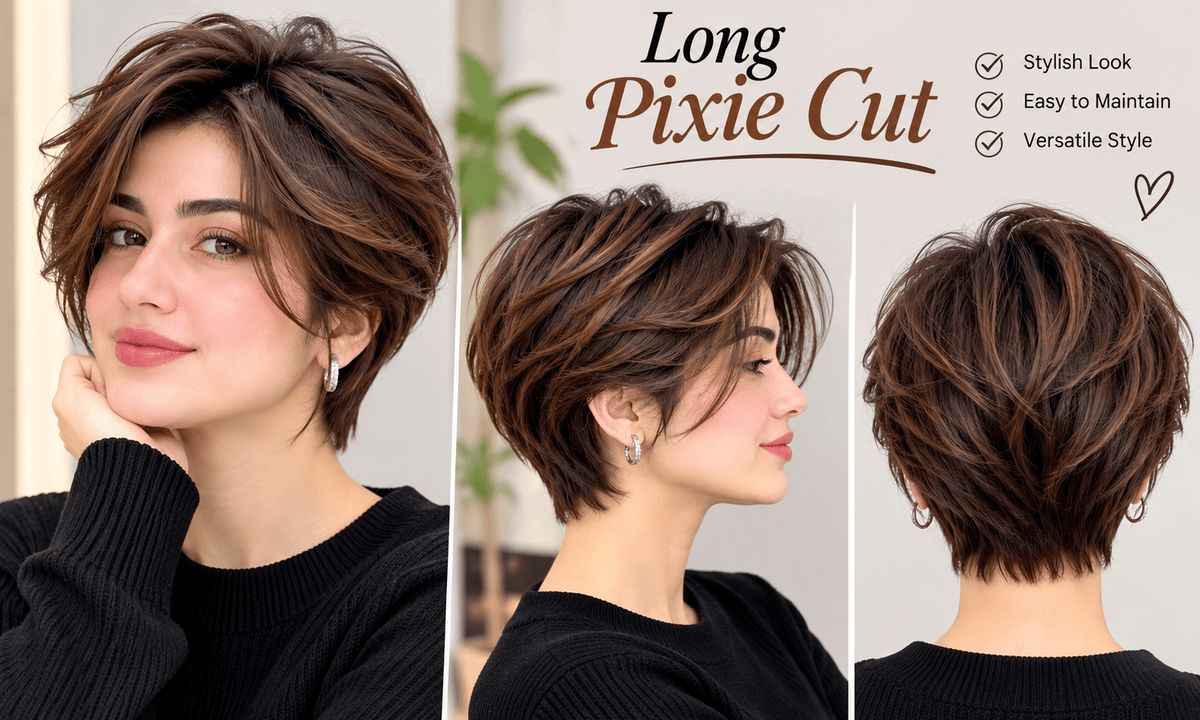
A long pixie cut is a short hairstyle with closely cropped or tapered sides and back, and noticeably longer hair on top. The top section can reach the eyebrows, cheekbones, or even the jaw, which gives you room for bangs, side sweeps, volume, and texture.
Compared with a classic pixie, it is softer and more versatile. Compared with a bob, it is shorter at the nape and sides, with more lift and movement on top. Think of it as the middle ground between “playful and short” and “still has options.”
Quick facts
- Sides and back: short, tapered, or lightly cropped
- Top: longer, often several inches, depending on your preference
- Best for: people who want a bold look without a very short cut
- Maintenance: regular trims to keep the shape clean
Why So Many People Choose This Cut
A long pixie solves a few common problems at once.
It Is Easier to Style Than It Looks
Longer top layers can be pushed back, swept to the side, spiked up, or smoothed down. If you wake up with a bad hair day, you have several ways to rescue it.
It Is Less Risky Than a Very Short Pixie
Some people hesitate over ultra-short cuts because they worry about how their face will look. The extra length on top lets you test the shape, and if you decide you want even shorter, a stylist can always cut more.
It Works on More Hair Types Than You Might Think
Fine, thick, wavy, and curly hair can all work, as long as the cut is adapted to the hair’s natural behavior.
It Frames the Face
Short sides draw attention to cheekbones, eyes, and jawline. Bangs or side-swept sections can soften or emphasize features, depending on how they are cut.
Which Long Pixie Suits Your Face Shape?
No cut works the same on everyone, but a few guidelines help.
| Face shape | What tends to work |
| Round | Height at the crown, side-swept top, longer front pieces that angle across the face |
| Square | Soft, wispy layers and textured bangs that soften the jawline |
| Heart | Side-swept bangs, a little fullness around the ears, and a tapered nape |
| Oval | Almost anything, from slicked-back to fringe-heavy styles |
| Long | Forward-brushed fringe and extra volume at the sides rather than height |
These are starting points, not rules. Your hairline, hair density, and personal style matter just as much, so use the table to guide a conversation with your stylist rather than to limit your choices.
Popular Long Pixie Styles to Consider
If you are collecting ideas, here are the main variations.
The Textured Long Pixie
Choppy, layered pieces on top create movement and a lived-in look. It is a good choice if you like a slightly messy, effortless finish.
The Long Pixie With Bangs
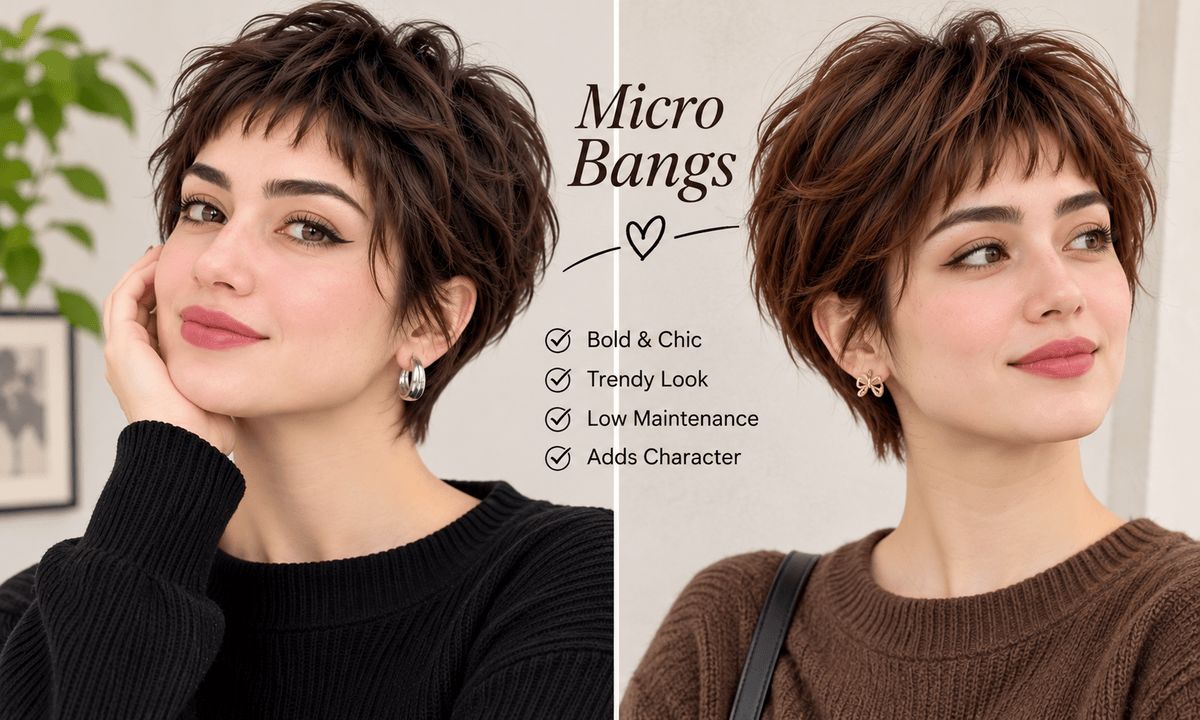
Bangs can be wispy, blunt, side-swept, or curtain-style. They soften the look and help balance a high forehead or a stronger jawline.
The Side-Swept Long Pixie
Longer hair on one side sweeps across the forehead, creating an asymmetrical shape. It is flattering and easy to adjust.
The Undercut Long Pixie
Shaved or very short sections underneath contrast with longer hair on top. This gives a modern edge, but it needs regular upkeep to stay crisp.
The Curly Long Pixie
Curls and coils look beautiful in a pixie, especially when the cut is shaped to follow the curl pattern. The longer top lets curls bounce rather than flatten.
The Pixie-Bob Hybrid
This mix keeps the nape short but adds longer sections around the face, making it a good transition between a bob and a pixie.
The Slicked or Wet-Look Style
Using gel or pomade, you can comb the top back for a sleek finish. It works well for evenings or formal events.
If you are looking for more ideas like this, you can browse more fashion and style inspiration on our site.
How the Cut Works With Different Hair Types
Your hair’s texture changes how the cut sits and what products you need.
Fine or Thin Hair
A long pixie can make fine hair look fuller because short sides reduce weight. Ask for blunt-ish ends on top rather than too many thin layers, which can look wispy. Volumizing mousse or powder helps lift roots.
Thick Hair
Thick hair can become bulky in a pixie. A skilled stylist will thin or texturize the inside sections so the cut lies flat where it should and lifts where you want it.
Wavy Hair
Natural waves add built-in texture. A lighter cream or sea-salt-style spray can enhance the shape without weighing it down.
Curly or Coily Hair
It helps to find a stylist experienced with curls. Many people prefer having curls cut when dry so the stylist can see how the hair truly falls. Moisturizing products and a gentle diffuser or air-drying can keep curls defined.
Straight Hair
Straight hair shows every line of the cut, so precision matters. A little texture spray or paste keeps it from looking flat.
How to Talk to Your Stylist
A haircut goes wrong more often from miscommunication than from bad scissors. A few simple habits help.
- Bring photos. Show several images, including angles of the back and sides if possible.
- Use clear words. Terms like “tapered sides,” “longer on top,” “textured,” and “side-swept” are easier to follow than “kind of short but not too short.”
- Share your routine. If you only have five minutes in the morning, say so. If you like styling, say that too.
- Mention your hair quirks. A cowlick, a double crown, or a fast-growing nape affects how the cut should be shaped.
- Ask about maintenance. Find out how often to return for trims and what products your stylist recommends.
A Small Tip on Length
If you are unsure, ask your stylist to begin a little longer on top. You can always shorten it later, but you cannot add length back.
How to Style a Long Pixie Cut, Step by Step
Once you have the cut, daily styling is quick.
- Start with clean, damp hair. Towel-dry gently so it is damp, not dripping.
- Apply a lightweight product. Use mousse for volume, cream for softness, or a texturizing spray for a tousled finish.
- Blow-dry with direction. Dry the roots upward for height, or sweep the hair in the direction you want it to fall. A small round brush helps with shape.
- Define with a styling product. Rub a small amount of paste, wax, or pomade between your fingers and work it through the ends.
- Finish with a light hold. A flexible spray keeps the shape in place without stiffness.
Quick Fixes for Common Problems
- Flat roots: use a root-lifting spray and blow-dry upside down for a few seconds.
- Frizz: add a tiny amount of smoothing serum to the ends.
- Greasy fringe: use dry shampoo at the roots and avoid heavy oils near the front.
- Stubborn cowlick: blow-dry the area while the hair is wet, in the opposite direction of its natural growth, then set it with cool air.
Maintenance: How Often Do You Need a Trim?
Short cuts show growth quickly. Many stylists suggest a trim every four to eight weeks to keep the lines clean and the shape balanced, though the right interval depends on how fast your hair grows and how precise you want the cut to look.
Between visits, you can keep things tidy with a few habits:
- Wash with a gentle shampoo. Harsh formulas can dry out hair and scalp.
- Condition the ends. Even short hair needs moisture.
- Use heat protectant. If you blow-dry or use a flat iron, protect your hair first.
- Avoid over-styling. Too much product can leave buildup, making your hair look dull.
Common Mistakes to Avoid
Some missteps show up again and again.
- Picking a style that does not suit your hair type. A sleek, flat pixie on very curly hair, for example, will fight your natural texture.
- Skipping the consultation. A few minutes of discussion prevents surprises.
- Overloading on product. Start small and add more only if needed.
- Waiting too long between trims. The cut loses its shape and starts to look overgrown.
- Ignoring your scalp and neckline. Short styles show more of both, so keep the area clean and neat.
Growing Out a Long Pixie Cut
If you decide to grow the cut out, the awkward middle stage is the hardest part. Here are a few ways to get through it.
- Get shaping trims. Regular small trims keep the back and sides from looking uneven while the top grows.
- Use accessories. Headbands, clips, and scarves can hide unruly sections.
- Add texture. A light wave or curl disguises uneven lengths.
- Consider a bob transition. A stylist can shape the growing hair into a pixie-bob and then a full bob.
- Be patient. Hair typically grows slowly, so expect the process to take months.
Is a Long Pixie Cut Right for You?
Ask yourself a few honest questions.
- Do you like having your face and neck on display?
- Are you willing to book regular trims?
- Does your hair type suit the style you have in mind?
- Do you want a look that is easy in the morning but needs some care long term?
If you answered yes to most of these, the long pixie could be a very good match.
Frequently Asked Questions
What is the difference between a pixie cut and a long pixie cut?
A classic pixie is cropped short all over. A long pixie keeps short sides and back but leaves more length on top, often enough for bangs, side sweeps, and varied styling.
Does a long pixie cut suit round faces?
Yes, particularly with height at the crown and a side-swept top. These elements create the look of length and angle.
How often should I trim a long pixie cut?
Many stylists recommend every four to eight weeks, depending on how fast your hair grows and how sharp you want the shape to stay.
Can curly hair have a long pixie cut?
Absolutely. Work with a stylist experienced in curls, ask for the shape to follow your curl pattern, and use moisturizing products to keep curls defined.
How long does it take to grow out a long pixie cut?
It varies by person, but hair generally grows slowly, so expect several months to a year or more to reach a longer length, with shaping trims along the way.