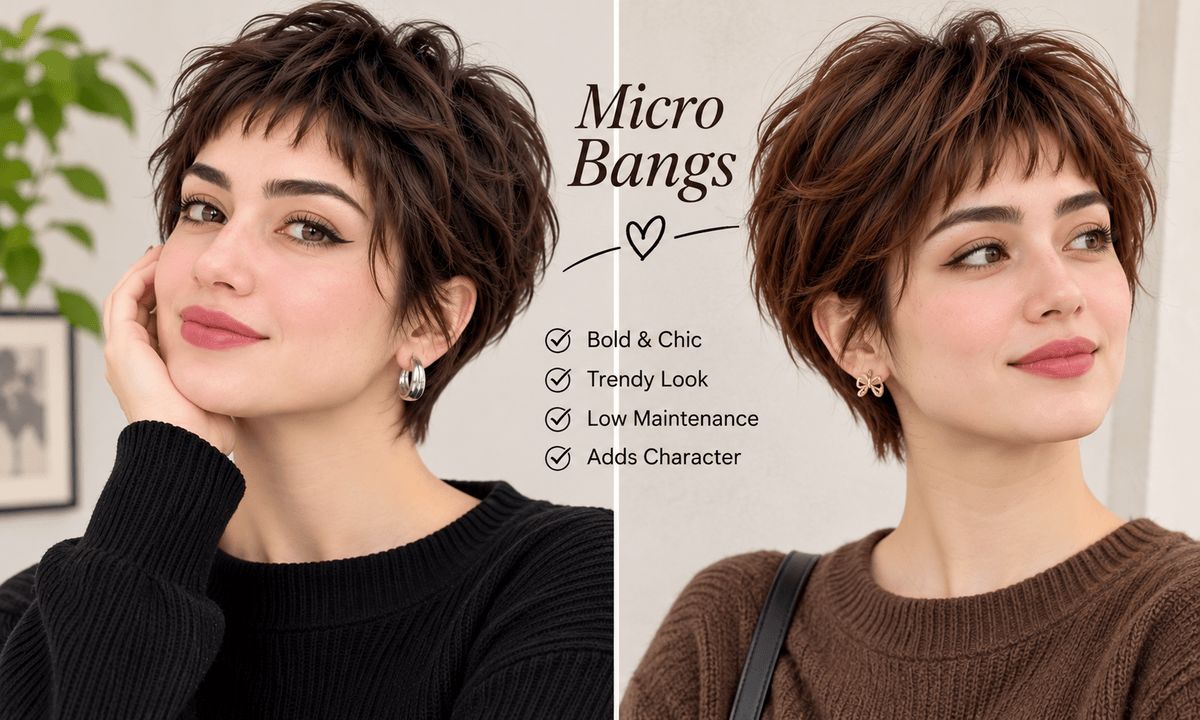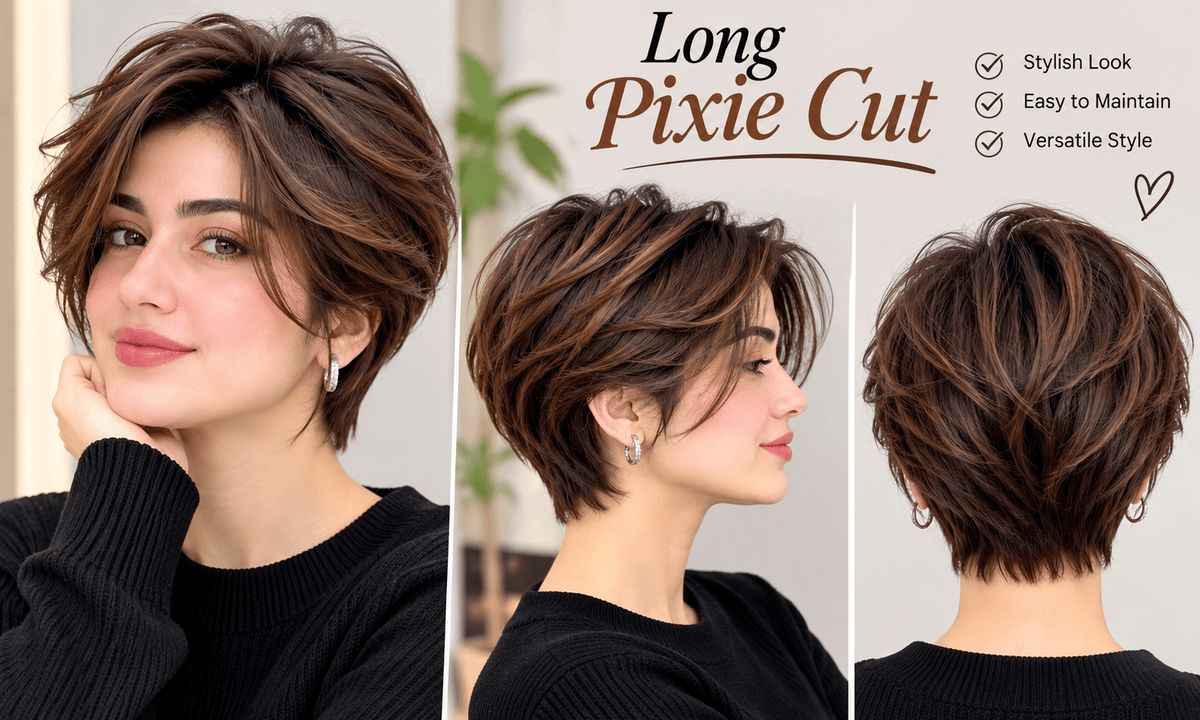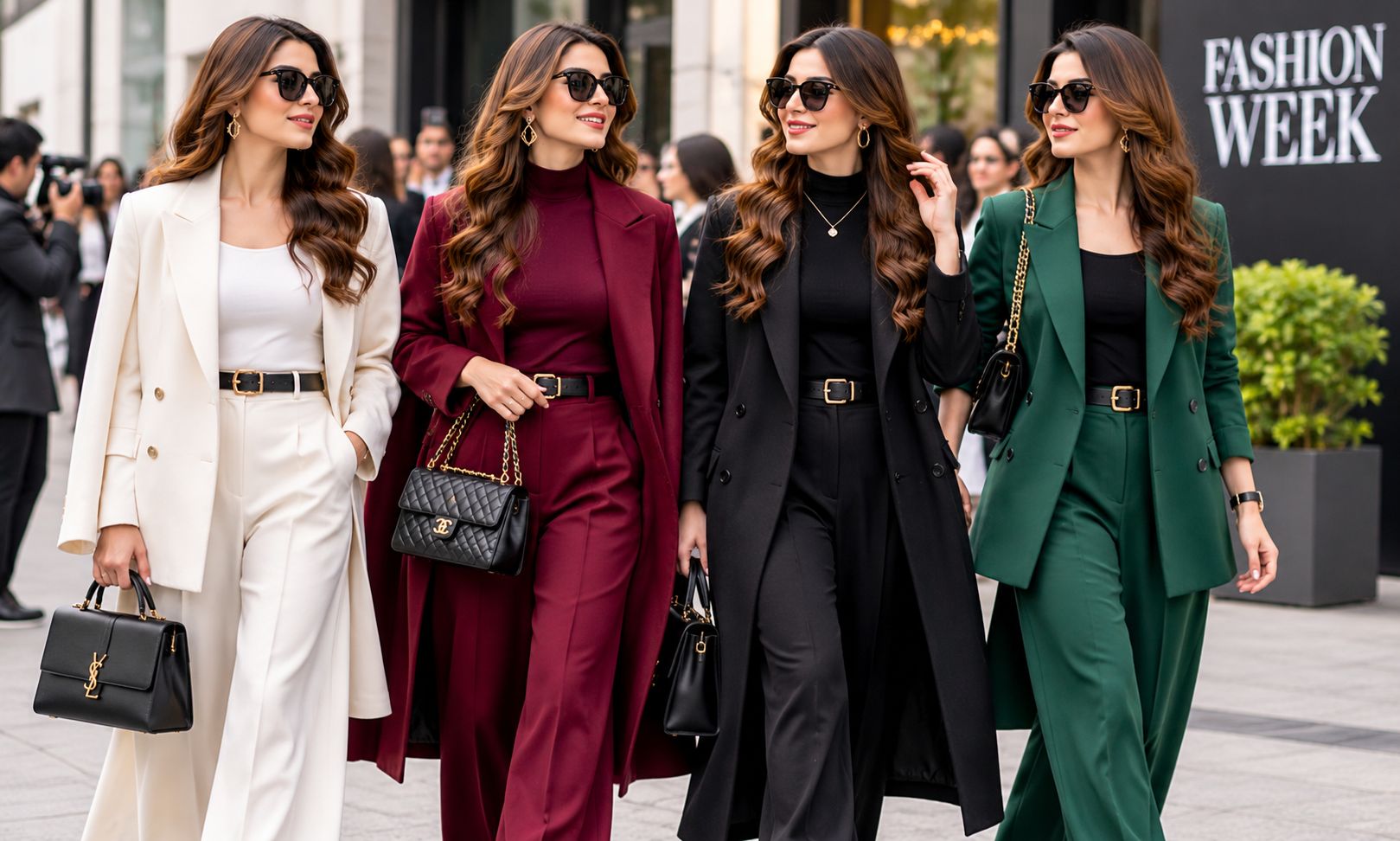
You scroll past a photo of someone crossing a Paris street in a sharp coat, mismatched shoes, and a bag you cannot identify, and suddenly your own wardrobe feels a little flat. It happens to almost everyone. A few days of fashion week photos can make an ordinary closet look like a mistake.
Here is the good news. Most of what you see is far more learnable than it looks, and a lot of it can be borrowed on a normal budget.
This guide explains what fashion week street style actually is, how it grew into its own industry, what is standing out in the most recent shows, and how to translate it into outfits you can wear to work, class, or the weekend.
What Is Fashion Week Street Style?
Fashion week street style is the clothing guests, editors, stylists, buyers, models, influencers, and celebrities wear as they travel between runway shows, captured by photographers outside the venues. It is not the runway collections themselves. It is how real people interpret, mix, and sometimes ignore those collections.
That distinction matters. A runway look is designed to make a statement. A street style outfit is built to be worn, photographed, and moved around all day, often across several shows, in whatever weather the city throws at you.
Quick snapshot
- Where it happens: Outside show venues, hotels, and nearby streets during fashion month.
- Who is photographed: Editors, stylists, buyers, models, creators, and celebrities.
- Why it matters: It shows how trends actually get worn, which is often more useful than the runway.
How Street Style Became Its Own Industry
Street style did not start as a business. It started with curiosity.
Before the internet, a few photographers were already documenting how real people dressed. Bill Cunningham, the longtime New York Times photographer, famously cycled around the city taking pictures of what people wore, long before the phrase “street style” was common. His approach was simple: photograph what is interesting, not who is famous.
The Blog Era
In the mid-2000s, online photography changed the picture. Scott Schuman launched The Sartorialist in 2005, and a wave of fashion bloggers and photographers followed. Suddenly, a well-dressed guest outside a show could reach an international audience within hours.
The Social Media Era
Instagram and later TikTok turned street style into a daily feed. Brands noticed. Guests who were once just attendees became recognizable names, and getting photographed began to influence what sold. That shift also drew criticism. In 2013, fashion journalist Suzy Menkes wrote about a “circus” of outfit-driven attention outside the shows, noting how some guests dressed to be photographed rather than to see the collection.
If you want a good example of how designer names and celebrity figures shape the conversation, look at Pharrell Williams’ role at Louis Vuitton. He became Creative Director of Louis Vuitton menswear in 2023, continuing the legacy of the late Virgil Abloh, and moments like that ripple straight into what guests wear outside the shows.
Where and When: The Fashion Month Calendar
Street style is not a single event. It follows the fashion calendar, which moves through several cities.
The traditional “Big Four” are New York, London, Milan, and Paris. For the Spring/Summer 2027 season, the women’s schedule ran from September 11 to 16 in New York, September 17 to 21 in London, September 22 to 28 in Milan, and September 28 to October 6 in Paris. Copenhagen, Berlin, Tokyo, and others hold their own weeks, and menswear and couture have separate dates.
Each city has a reputation. Milan is often described as expressive and polished, and one recent roundup of Milan’s men’s shows called the city’s street style eclectic and expressive. Another reviewer wrote that Milan street style feels more experimental and less polished, with personal choices standing out. These descriptions sometimes conflict, which is a good reminder that city stereotypes are loose guides, not rules.
What Is Standing Out in the Latest Street Style
Trends change quickly, and you should treat any list as a snapshot. Still, a few patterns from recent coverage are worth knowing.
Paris: Soft Neutrals and Playful Details
Who What Wear’s roundup of Paris Fashion Week in September 2026 highlighted five trends. One, called “Flat White,” moves a neutral look from the boardroom into something more romantic, with camisoles and delicate edges. The same coverage noted a styling trick: the higher the heel, the more you need to pair a sock with it.
Milan: Playful Pieces
On the Milan side, trend coverage has pointed to bra tops and “it” skirts shaping the season’s conversation. Another writer described the street style as playful without losing a distinctly Milanese polish, adding that there is plenty to borrow for your own wardrobe now.
The Bigger Pattern
Across cities, a few ideas keep appearing: neutral palettes with one standout piece, mixing dressy and casual items, and personal details like unusual shoes or bags. Those ideas last longer than any single season’s trend.
The Hidden Formula Behind Great Street Style Outfits
If you study enough photos, most strong looks follow a similar logic. Here is a simple way to break one down.
- Start with a strong base. Usually a well-fitted coat, blazer, or pair of trousers.
- Add one surprise. A bold shoe, an unexpected color, or an unusual texture.
- Keep the rest quiet. Neutral basics let the surprise stand out.
- Finish with an accessory. A bag, scarf, or jewelry gives the outfit a point of view.
- Make sure it fits. Tailoring is the quiet secret in almost every photographed look.
A Quick Example
Picture a camel coat, black straight-leg trousers, and a plain white top. On its own, that is conservative. Swap in sharply colored loafers and a structured bag, and suddenly the outfit has a signature. That small change is the difference between “neat” and “street style.”
How to Wear Fashion Week Street Style in Real Life
You do not need a front-row seat or a designer budget. Here is a practical step-by-step approach.
Step 1: Save What You Actually Like
Collect a handful of photos that appeal to you, then look for patterns. Do you keep saving oversized jackets? Muted colors? Interesting shoes? Those patterns tell you your real taste, which is more useful than chasing every trend.
Step 2: Audit Your Closet
Lay out what you own. Identify items that already match your saved looks. Most people have more usable pieces than they think.
Step 3: Choose One Piece at a Time
Rather than overhauling your wardrobe, buy or borrow one item that fits your pattern, like a structured blazer, a good pair of boots, or a bold bag. Build outfits around it.
Step 4: Get the Fit Right
A moderately priced piece that fits well looks better than an expensive one that does not. A local tailor can transform trousers, jackets, and hems for a modest cost.
Step 5: Practice Mixing
Pair dressy and casual items: a tailored coat with sneakers, or a silky skirt with a plain tee. That mix is the heart of fashion week style.
Doing It on a Budget
Street style often looks expensive, but the principles are affordable.
- Shop secondhand. Vintage jackets, leather bags, and knitwear often show up in photographed looks.
- Invest in fewer, better basics. Good coats, trousers, and shoes anchor everything else.
- Rent or borrow. For special events, renting a statement piece can beat buying.
- Focus on color and proportion. A cheap item in the right shape or tone can look deliberate.
- Ignore logos. Many of the best looks do not feature obvious branding at all.
You can explore more outfit ideas and style coverage in our Fashion section.
Common Mistakes People Make Copying Street Style
Street style can mislead if you copy it too literally.
- Copying a full outfit exactly. You end up looking like a costume instead of yourself.
- Ignoring the weather. Many looks are styled for a specific city and day.
- Forgetting comfort. Photographed outfits are often short-lived; yours may need to last all day.
- Chasing every trend. Following ten trends at once rarely looks cohesive.
- Over-accessorizing. Strong looks usually have one or two focal points, not ten.
Remember the Context
Many people in street style photos are working. Stylists and editors are often dressed for visibility, and some wear borrowed or gifted clothing. That does not make their outfits less interesting, but it does mean you should not measure yourself against them.
If You Want to Photograph Street Style
A growing number of readers are interested in the photography side too. A few practical tips:
- Be respectful. Ask permission before taking close portraits.
- Mind the traffic. Do not block sidewalks or entrances.
- Use natural light. Mornings and late afternoons usually flatter clothing.
- Focus on details. Shoes, bags, and fabric textures make strong images.
- Credit and consent. If you post people’s photos, be clear about how you use them.
Frequently Asked Questions
What is fashion week street style?
It is the clothing worn by guests, editors, stylists, and influencers outside runway shows during fashion month, usually captured by photographers. It shows how people interpret trends in real life.
Who started street style photography?
Several photographers helped shape it. Bill Cunningham documented New York fashion for decades, and Scott Schuman’s The Sartorialist, launched in 2005, helped popularize the online format.
Which cities host the main fashion weeks?
New York, London, Milan, and Paris are the traditional “Big Four,” with Copenhagen, Berlin, Tokyo, and others also hosting their own events.
How can I dress like fashion week street style on a budget?
Focus on fit, build outfits around one standout piece, shop secondhand, and invest in a few high-quality basics. You do not need designer labels to copy the formula.
Are fashion week outfits practical for everyday life?
Some are, and many are not. The most useful takeaway is the approach, mixing dressy and casual pieces and adding one distinctive detail, rather than copying an exact outfit.
The Takeaway: Borrow the Idea, Not the Outfit
The best thing fashion week street style teaches is not what to buy. It is how to think about getting dressed: start with fit, add one surprise, and let your personality do the rest.
Next time a photo makes your closet feel boring, do not shop immediately. Save the look, figure out the formula, and try it with what you already own. You may find the outfit was closer than you thought.