Quick answer: Copper hair is a warm, orange-leaning shade in the red family, sitting between blonde and auburn. It comes in light, golden, true, brown, and dark versions, so almost every skin tone has a flattering match. It fades faster than most colours, so colour-safe shampoo and regular glosses keep it bright.
Key takeaways
- Copper isn’t one shade. It ranges from soft copper blonde to deep, brown-based copper.
- Match the depth and warmth to your skin tone, not just your eye colour.
- How hard the change is depends on your starting colour. Blonde and light brown are the easiest.
- Red and copper tones fade quickly, so plan for colour-safe care from day one.
- Always patch test home dye, and take reference photos to the salon.
Copper has been creeping into hair for a few autumns now, and this season it’s the shade colourists keep mentioning first. It’s easy to see why. Copper looks warm in dull light, glossy in good light and a little bit unexpected on almost everyone. It’s also a good way to go red without committing to a full, fiery ginger.
But “copper” can mean five different things depending on who you ask, and picking the wrong one is how people end up with hair that’s too orange, too brown or too bright for their skin. This guide sorts the shades, matches them to skin tone, and covers the part most articles skip: how to ask for it and how to keep it.
What is copper hair?
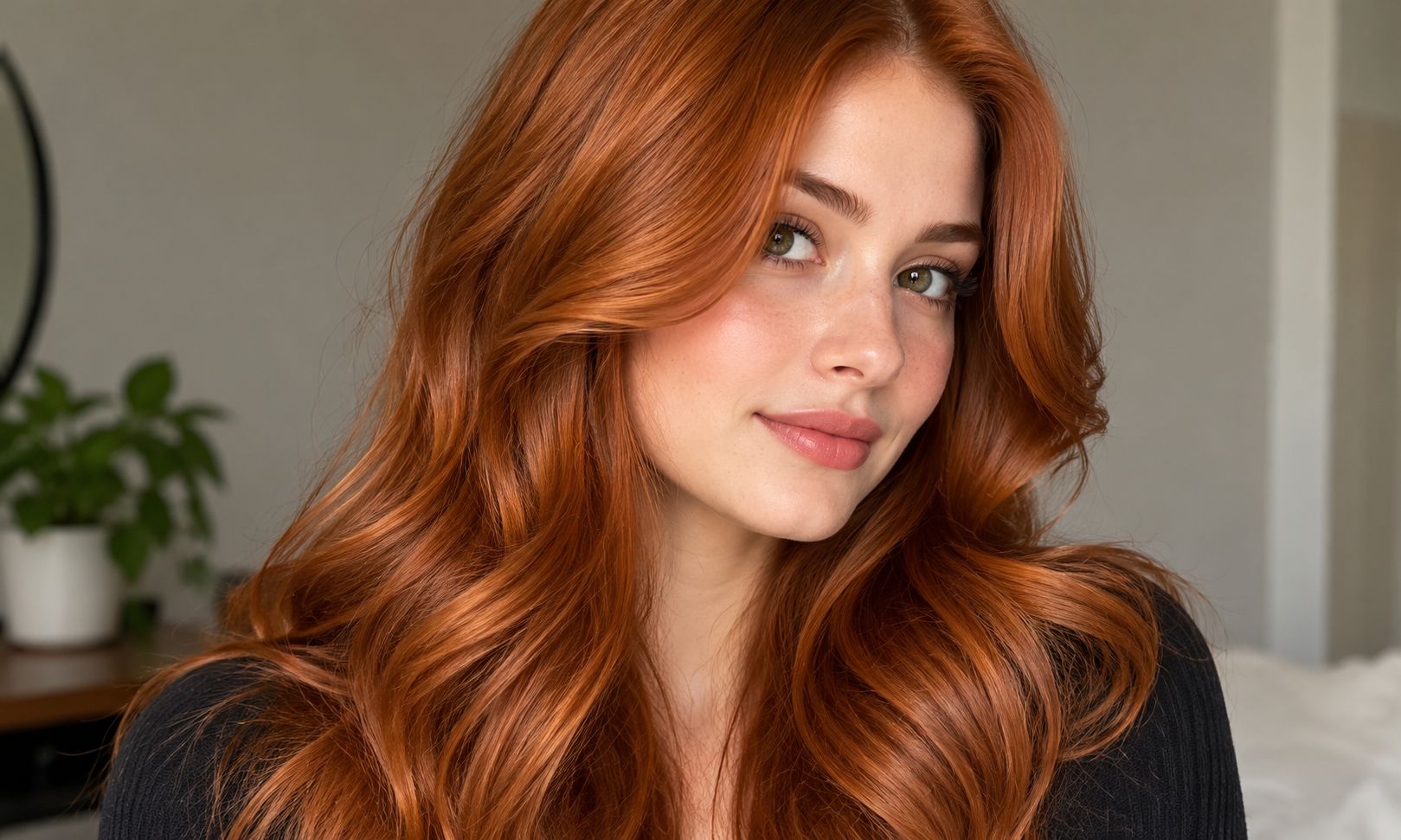
Copper hair is a warm, metallic-looking tone with red, orange and gold in it, the colour of a new penny. It sits in the red family but leans more orange than auburn, and it’s brighter and warmer than a typical brown. It can be natural, as it is for some people with red hair, or created with colour.
How copper differs from nearby shades
- Auburn has more red and brown, so it looks deeper and slightly cooler.
- Ginger is usually a stronger, more orange tone, often with less depth.
- Strawberry blonde is lighter and pinker, with more gold and less intensity.
- Copper sits in the middle: warm, orange-red, with enough depth to look rich.
If you take just one thing from this section, it’s that copper is flexible. The same word covers a pale peachy shade and a dark, glossy brown-copper.
Copper hair shades, from light to dark
Copper blonde
A soft, peachy blonde with a warm copper glow. It’s the gentlest version and a popular starting point for blondes who want a change. It needs minimal lift, so it’s friendlier on hair that’s already lightened.
Golden copper
Brighter and more golden, almost like honey with a copper edge. It looks sunny and works well with warm skin and light eyes. It’s one of the shades that’s easiest to wear in everyday light.
True copper
The classic. A clear, warm copper-red with no particular brown or gold tilt. It’s bold, bright and looks best on healthy, shiny hair. This is the shade people picture when they say “copper hair“.
Copper brown
A brown base with warm copper threading through it. It’s subtler, more wearable at work and a good first step for brunettes. Because it starts from brown, it often needs little or no bleaching.
Dark copper and cowboy copper
Deeper, richer coppers that read as rich red-brown. “Cowboy copper” is the name colourists use for a deeper, slightly muted, earthy copper with a rich brown undertone. It’s a good option for darker hair and for anyone who wants copper without it looking neon.
Which copper suits your skin tone?
Copper looks good on a wide range of people, but the best match depends on the depth and undertone of your skin. Here’s a guide, with one rule first: if you aren’t sure, ask your colourist to hold swatches under natural light next to your face.
Fair and light skin
Go for softer, lighter shades like copper blonde or golden copper. They look natural and don’t overpower pale skin. If you flush easily, a slightly deeper, less orange copper may look more balanced. Very bright true copper can look harsh against redness, so test it first.
Medium and olive skin
You can wear nearly the whole range. Golden copper and true copper look warm and lively against olive skin, and copper brown adds richness. If your skin has green undertones, a slightly deeper copper with a hint of brown looks smoother than a very orange shade.
Tan and deep skin
Rich coppers look striking against deeper skin tones. Dark copper, copper brown and cowboy copper often look the most natural, while a bright true copper can be a bold statement. Copper highlights on dark brown hair are a lovely way to try the look without changing everything.
Eye colour and the rest
Blue and green eyes tend to look brighter next to warm copper. Brown eyes look richer. But skin tone should lead your decision, because it’s the colour closest to the hair.
How hard is it to go copper?
It depends on where you’re starting.
From blonde: The easiest route. Usually a toner or a semi-permanent colour is enough, and no extra bleaching is needed.
From light brown or dark blonde: Often manageable with one colour session, sometimes with a few lighter pieces so the copper shows up warm instead of muddy.
From dark brown or black: The most work. To see a true copper tone, hair usually needs lightening first, which takes time and care. A more realistic route is copper highlights, a balayage or a dark copper that works with your base.
From previously coloured hair: The existing colour matters. Dark box dye is harder to shift. Ask for a consultation before you decide.
How to ask your colourist for copper hair
Photos are your best tool. Bring three images and say what you like about each: the brightness, the depth, the warmth. Say which photo you don’t want, too, because that helps your colourist avoid it.
Here’s a simple script:
“I’d like a copper that’s warm but not too orange, with some depth at the roots. I’d like to keep the length healthy, so I’m happy to do it in stages. How would you get there from my colour?”
Then ask about the practical bits:
- How many appointments will it take?
- What will the upkeep cost, and how often will I need glosses or touch-ups?
- Which products do you recommend for home?
- What will it look like as it fades?
A good colourist will tell you honestly if the shade you’ve chosen isn’t realistic for your hair, and will suggest a version that is.
Salon copper or home dye?
Salon colour gives you control, especially for balayage, highlights or any change that needs lightening. A colourist can mix a bespoke tone and adjust it for your skin and base colour.
Home dye works best for gentle changes: going from light brown to copper brown, or refreshing an existing copper. Choose a shade that’s close to your starting colour, read the instructions fully and don’t leave the dye on longer than directed.
Whichever route you take, do a patch test first. NHS Wales advises doing one before using any permanent or semi-permanent hair dye, even if it’s a brand you’ve used before. Put a small amount behind your ear or on your inner elbow, let it dry, and don’t use the product if you notice irritation. Wear gloves, and rinse thoroughly. If you’ve had a reaction before, talk to your doctor or a pharmacist.
How to keep copper hair bright
Here’s the honest bit. Red and copper tones tend to fade faster than darker shades, because their pigments don’t hold on as well. That’s not a reason to avoid copper, just a reason to plan.
In the shower
- Wash less often, if your scalp allows. Two or three times a week is enough for many people.
- Use a colour-safe shampoo and conditioner.
- Rinse with lukewarm or cool water, since hot water can lift colour faster.
- Add a colour-depositing mask or conditioner in a copper shade every week or two. It tops up colour between appointments.
Out in the world
- Use a heat protectant before blow-drying or styling, and lower the temperature of your tools.
- Cover your hair or use a UV protectant on bright days, since sun can lighten colour.
- Wet hair and rinse before swimming, and rinse again afterwards, since chlorine can strip colour.
At the salon
- Ask for a gloss or toner every six to eight weeks, or whenever the colour starts to dull. It adds shine and restores tone.
- Book a trim regularly. Healthy ends reflect light, and light is what makes copper look rich.
Styles and cuts that show copper off
Copper shows best on hair that has movement and shine.
- Long, soft layers let the colour catch the light as the hair moves.
- A bob or lob gives a graphic edge that makes the colour look intentional.
- Curls and waves show off the depth of the shade, since light bounces off each curl.
- Fringes or curtain bangs frame the face and highlight the colour near the eyes.
- Simple styles, like a low ponytail or a sleek bun, keep the focus on the colour.
If you’d like quick ideas for styling it, you’ll find plenty of easy, low-effort looks on Glowing Magazine.
Copper hair and grey coverage
Copper is one of the more forgiving colours for grey hair. Warm tones blend greys naturally, and a copper brown can disguise regrowth better than a very dark shade. For a softer approach, ask for copper highlights or a lowlight blend, which makes the transition less obvious as greys grow in.
Makeup with copper hair
Warm hair changes how makeup looks. A few simple tweaks help:
- Blush: peach, coral and warm rose look natural. Very cool pinks can clash.
- Lips: terracotta, soft brick, rose and brown-nude lips look good. A true red can be striking but needs balance.
- Eyes: bronze, taupe, olive and soft plum shadows enhance blue, green and brown eyes.
- Brows: a slightly softer shade than your hair looks natural, since copper brows can look too heavy.
Frequently asked questions
Is copper hair hard to maintain?
It takes some planning, because red and copper tones fade faster than darker colours. Washing less often, using colour-safe products, adding a copper conditioner and booking a gloss every six to eight weeks keeps it fresh.
How fast does copper hair fade?
It varies with your hair, how often you wash it and how much heat and sun it gets. Many people notice softening within a few weeks. Cool water, colour-safe care and a regular gloss slow it down.
Does copper hair suit everyone?
Almost everyone can find a copper that suits them, because the shade ranges from pale copper blonde to deep copper brown. The key is matching the depth and warmth to your skin tone, ideally with a colourist’s help.
Can I dye dark hair copper without bleach?
Not to a bright, true copper. Dark hair usually needs lightening for that. Without bleach, you can get a subtle warm copper tint or a deep copper-brown, and highlights or balayage are a gentler way to add more.
What is cowboy copper?
Cowboy copper is a deep, slightly muted, earthy copper with a rich brown base. It’s less bright than true copper, which makes it popular for autumn and for people who want warmth without a big colour change.
Conclusion
Copper hair works because there’s a version for nearly everyone. Pick the depth that suits your skin, tell your colourist exactly what you like, and treat the maintenance as part of the colour. Look after it, and the glow lasts.