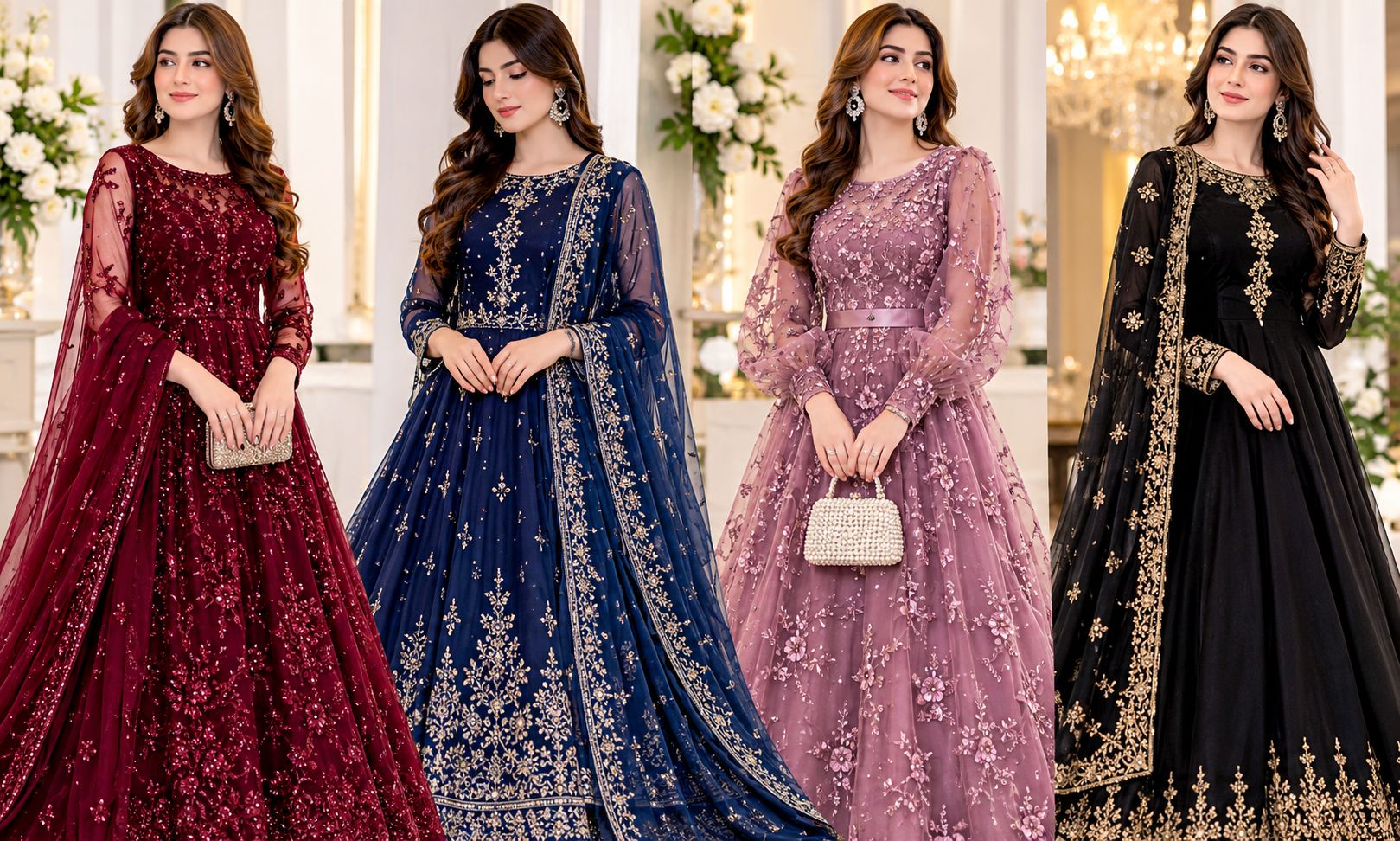
Quick answer: Elegant dresses for women share four things: a flattering silhouette, a good fabric, a considered length and minimal detail. Midi wrap dresses, A-line and fit-and-flare shapes, column dresses and simple maxis in silk, satin, crepe or fine jersey are the most dependable styles. Fit decides whether any of them look elegant.
Key takeaways
- Elegance comes from fit, fabric and restraint, not from price or sparkle.
- Midi and wrap dresses are the most versatile elegant styles.
- Drapey fabrics, such as crepe, satin, and fine jersey, look more refined than stiff or clingy materials.
- Match the dress to the dress code: cocktail is usually knee to midi, black tie is floor-length.
- Keep accessories simple, and let one element, such as shoes or earrings, stand out.
Elegance in dressing has a long history. French couture houses built their reputations on custom-fitted, finely made clothing, and, according to Britannica, Charles Frederick Worth is counted among the founders of Parisian haute couture. Coco Chanel later moved women away from petticoats and corsets, and she is credited with the little black dress. The principle behind all of it is still useful today: a well-cut, well-made dress, in a shape that suits the person wearing it, almost always looks elegant.
This guide breaks that principle into practical parts: what makes a dress elegant, which silhouettes and fabrics to look for, what to wear to which event and how to finish the look.
What makes a dress elegant?
Four things do most of the work.
Silhouette. The shape should follow the body without strain. It might nip at the waist, skim over the hips or fall straight from the shoulders, but it shouldn’t pull, gape or sit awkwardly.
Fabric. Elegant dresses tend to be made from fabrics that drape: crepe, satin, silk, fine jersey, chiffon, structured cotton and lightweight wool. Stiff fabrics can look severe, and very thin or shiny, cheap-feeling ones can look flimsy.
Length. Midi, which lands between knee and ankle, is the most flexible. Knee-length is neat and traditional. Maxi and floor-length suit evening events.
Detail. Fewer details usually look more refined: a clean neckline, a small button, a subtle pleat. One considered detail, such as a sleeve or a seam, does more than five competing ones.
Colour matters too. Black, navy, ivory, deep green, burgundy and soft neutrals read as elegant almost automatically. Bright colours can be elegant too if the cut is simple.
The silhouettes to know
Midi and wrap dresses
A wrap dress ties at the waist and crosses at the front, and it flatters most body shapes because you control the fit. Midi length is easy to wear to the office, dinner, or a daytime wedding. If you only buy one elegant dress, make it a midi wrap in a fabric with drape.
Best for: most body types, work, dinners, daytime events.
A-line and fit-and-flare
Fitted at the bodice and flaring gently from the waist, these dresses create a balanced shape and are comfortable to sit and walk in. They suit people who prefer a defined waist and a bit of movement in the skirt.
Best for: weddings, parties, dinner, anywhere you want to dance.
Column and sheath dresses
A column dress falls straight and narrow from shoulder to hem. A sheath is slightly more fitted. Both look sleek and need a good fabric, because there’s nowhere for a poor cut to hide. A slight stretch makes them comfortable.
Best for: formal events, work, evening.
Maxi and slip dresses
A long, flowing maxi suits warm evenings and weddings. A slip dress in satin or silk-feel fabric has a simple, fluid line and works with a blazer in the day and a jacket or shawl at night. Look for thicker straps and a well-finished hem for a more polished look.
Best for: evenings, summer events, layered looks.
Shirt dresses and knit dresses
A shirt dress, belted, is crisp and versatile. A fine-knit dress is comfortable and elegant in cooler weather. Both suit people who want elegance without formality.
Best for: daytime, office, travel.
Which fabrics suit elegant dresses for women?
Crepe: a matte, slightly textured fabric that drapes well and hides creases. A good choice for work and events.
Satin: has a soft shine that catches light. It looks lovely on slip dresses and evening styles, though it can show marks and cling, so choose a heavier weight if you can.
Silk: soft, luxurious, and breathable, but it needs care and can mark with water. Check the label before washing.
Chiffon: light and floaty, good for sleeves and layered skirts. Often lined, since it’s sheer.
Fine jersey and knit: comfortable and flattering. Look for a thicker, smooth finish rather than thin, clingy jersey.
Structured cotton and linen blends: crisp and good for daytime. Linen creases easily, so a blend with some viscose or elastane holds shape better.
A good test: scrunch a handful of the fabric in your fist for five seconds. If it springs back, it will travel and wear well. If it stays crushed, expect to iron or steam often.
Elegant dresses for women, by occasion
Wedding guest
A midi or maxi dress in a soft, rich colour is the safest choice. Avoid white, ivory and anything that could be mistaken for bridal. Check the invitation for the dress code and the venue: a garden wedding might call for a lighter fabric and block heels, while an evening ceremony could suit a darker colour and a longer length.
Work and daytime events
A knee-length or midi sheath, shirt dress or knit dress in navy, black, grey or a deep colour, with a blazer over the top. Closed shoes and a structured bag finish it. Keep the neckline and hem modest if your workplace is traditional.
Dinner and cocktail events
A fit-and-flare, wrap or slip dress in a knee- to midi-length. This is where you can wear a deeper colour, a little shine or a more dramatic neckline. Add heels or elegant flats and a small clutch.
Formal and black tie
Floor-length gowns, or very formal long dresses in satin, velvet or crepe. Keep the silhouette clean and let the fabric do the work. Add statement earrings or a bold shoe, but not both.
Elegant casual dresses
A linen-blend shirt dress, a cotton wrap or a fine-knit midi with flat sandals, loafers or clean trainers. It’s relaxed but neat. Choose fabrics that hold their shape.
What does “elegant” on an invitation mean?
Dress codes are confusing, and “elegant” or “dressy” isn’t standard. As a rule of thumb:
- Smart casual: a neat dress or separates, no formal fabrics needed.
- Cocktail: a knee-length or midi dress, or a dressy jumpsuit, in a nicer fabric.
- Semi-formal: a dressy midi or long dress, or an elegant jumpsuit. Less formal than black tie, but more polished than cocktail.
- Formal or black tie: floor-length gowns.
- If unsure: ask the host, or choose a midi dress in a rich fabric and dress up the accessories.
Elegant dresses at every age
Elegance isn’t tied to an age. The principles are the same, with small adjustments based on comfort and personal style.
If you’re over 40, or simply want more coverage, a few choices tend to help:
- Choose sleeves. Three-quarter, elbow or cap sleeves look polished and offer coverage.
- Look for a defined waist. A wrap, belt or fitted bodice shapes the figure.
- Pick fabrics with weight and drape. Thin, clingy fabrics can be less forgiving than crepe or ponte.
- Try a V-neck or a boat neck. Both are flattering and easy to style.
- Keep the length at or below the knee if that’s your preference.
- Wear colours that suit you. A rich jewel tone can be more flattering than pale neutrals.
None of these are rules. They’re suggestions, and the best dress is always the one you feel confident in.
Choosing a dress for your shape
Shape guides are a starting point, not a verdict. Here are a few ideas.
- If you’d like to define your waist: wrap dresses, belted styles and fit-and-flare shapes.
- If you prefer a straighter line: column dresses, shift dresses and straight midis.
- If you’d like more balance on top or below: A-line skirts and structured shoulders.
- If you’re petite: a hemline just below the knee or above the ankle usually works. Keep patterns small.
- If you’re tall: longer lengths and bold prints look good.
Try on a few shapes. The best guide is how you feel in the mirror.
How to style an elegant dress
The dress is only part of the picture. A few considered choices make it look finished. For more inspiration on styling, and the hair and makeup to go with it, see Glowing Magazine.
Shoes: pointed flats, block heels and simple sandals look polished. Match the formality of the shoe to the dress.
Bags: a small structured bag or a clutch. Choose one that fits your essentials, so you aren’t carrying extra.
Jewellery: one statement piece, such as large earrings or a bold necklace, and nothing else. Keep the other jewellery simple.
Outerwear: a tailored blazer, a long coat, a wrap or a cashmere cardigan in a neutral colour.
Hair and makeup: a low bun or sleek waves, with simple makeup and a soft lip colour. Keep the focus on the dress.
Tights and hosiery: sheer or matte tights in a neutral colour look neat. Avoid shiny ones unless the occasion is very formal.
A fit checklist
Check these before you buy, or before you wear:
- The shoulder seams sit on your shoulders.
- You can raise your arms and sit down without pulling.
- The waist sits where you want it, and the dress doesn’t ride up.
- The hem sits evenly and falls where you want it to.
- The fabric doesn’t cling in places you’d prefer it didn’t.
- You can breathe, eat and move.
- The lining, if there is one, is smooth.
If it’s close but not perfect, a tailor can often shorten a hem, take in a waist or adjust a strap for a modest fee.
Looking after an elegant dress
- Read the care label. Silk, satin and some crepes need dry cleaning or gentle hand washing.
- Hang dresses on padded or wide hangers to protect the shoulders.
- Steam rather than iron when possible, particularly for delicate fabrics.
- Store knits folded, not hung, so they don’t stretch.
- Use a garment bag for special pieces.
- Spot clean small marks promptly, using a gentle method suited to the fabric.
Frequently asked questions
What makes a dress look elegant?
A flattering fit, a fabric with drape, a considered length and minimal detail. Simple shapes in colours like black, navy, deep green or ivory are almost always elegant, and the right fit matters more than the price.
Are midi dresses elegant?
Yes. A midi dress, which falls between the knee and the ankle, is one of the most versatile elegant styles. In satin, crepe or fine jersey, with a wrap, A-line or column shape, it suits work, dinners and weddings.
What colours look elegant?
Black, navy, ivory, burgundy, deep green and soft neutral shades read as elegant. Jewel tones look rich and polished, and bright colours work if the cut is simple and the fabric is good.
What is an elegant dress code?
“Elegant” usually means dressier than smart casual and close to cocktail or semi-formal: a midi or long dress, or a dressy jumpsuit, in a refined fabric. If you’re unsure, ask the host or choose a midi dress and dress it up with accessories.
How do I make a simple dress look more elegant?
Choose a good fit, press or steam it, and add polished shoes, a structured bag and one statement accessory, such as earrings. A belt or a blazer can add shape, and a neat hair and makeup finish pulls it together.
Conclusion
Elegant dresses for women come down to a good cut, a good fabric and restraint. Choose a silhouette that suits you, get the fit right, keep the details simple and finish with one thoughtful accessory. That’s what elegance looks like, on any budget.