Quick answer
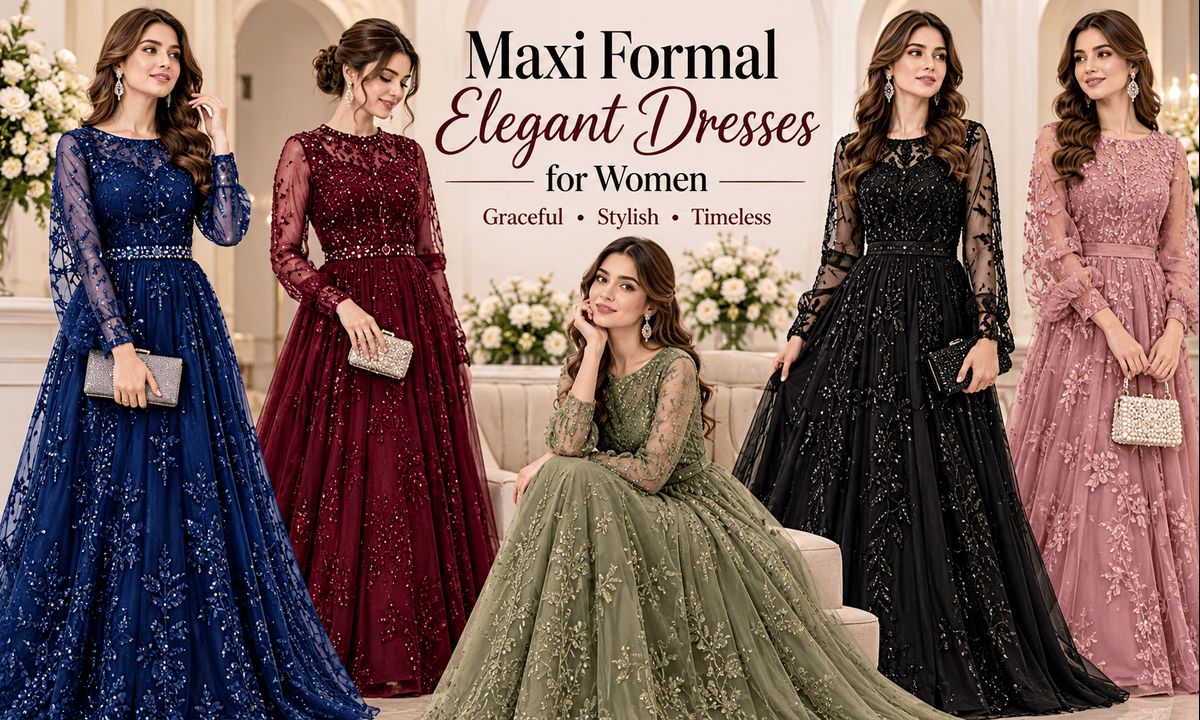
Maxi formal elegant dresses for women should skim the floor, use a fabric with weight and drape such as satin, crepe, velvet or heavy chiffon, and come in a solid or jewel colour. The hem should be fitted to the shoes you will wear, with about half an inch to one inch of clearance at the front unless the dress has a train. Choose the silhouette you can move and sit in comfortably, keep accessories to one statement piece, and book alterations several weeks before the event.
When a maxi dress is the right choice
Maxi length is the formal default, but not every event asks for it. Several dress retailers set out the same hierarchy of dress codes, and it matches what etiquette guides say.
| Dress code | Length that works | Notes |
| White tie | Full-length ball gown | The most formal code, usually for state occasions and balls |
| Black tie | Floor-length | Expected for evening events. Lulus notes that black tie events are held after about 5:30 pm, which means evening dress |
| Black tie optional or formal | Floor-length or polished midi | More flexibility, but a maxi is always safe |
| Cocktail | Knee-length to midi | A maxi is acceptable if the fabric is dressy |
| Daytime formal or garden | Midi or relaxed maxi | Lighter fabrics, softer colours |
If the invitation says black tie, a floor-length gown is the safe answer. Azazie’s guide makes the point that nobody has ever looked underdressed at a black tie event in a floor-length gown. If it says formal or semi-formal, you can choose a midi or a maxi depending on the time of day and venue.
Choosing the fabric
Fabric decides how formal a maxi looks more than the cut does. Heavier, smoother fabrics read as dressier than lightweight, easily creased ones.
- Satin: the reliable choice. It catches light, drapes well and works for almost every formal event. It shows water marks and snags, so handle it with care.
- Crepe: a quieter option with a matte finish. It skims the body, resists wrinkles better than most fabrics and is easy to move in.
- Velvet: rich and warm, so it suits winter evenings. Azazie’s formal dress guide pairs velvet and satin in navy, black and emerald with floor-length cuts for winter.
- Chiffon: light and floaty, good for spring and warm venues. Use a lined version so it is not see-through.
- Silk: luxurious but needs careful cleaning. Silk satin is formal, while silk crepe de chine is more relaxed.
- Embellished tulle or lace: these add romance. Adrianna Papell lists embellished tulle among the luxe floor-length fabrics for formal weddings.
Avoid casual fabrics such as cotton, denim and basic jersey for black tie. They read as daytime.
Choosing the silhouette
Pick the silhouette by how you want to feel in the dress, since you will be standing, sitting and moving in it for hours. Azazie notes a core tension in evening maxis: the features that create drama, such as volume, structured fabric and large sleeves, are often the same ones that reduce comfort and ease of movement. Decide where on that scale you want to sit.
- A-line: fitted at the bodice and flaring from the waist. Easy to walk in, flattering on most people and a safe pick for any event.
- Column or sheath: a straight, close cut. Sleek and minimal, but make sure you can walk and climb stairs comfortably.
- Empire: the seam sits just under the bust, with fabric falling to the floor. Light and easy, and good for warm weather.
- Wrap: adjustable and forgiving, with a defined waist.
- Mermaid or trumpet: fitted through the hip then flaring. Dramatic and elegant, but harder to sit in.
- Ball gown: a full skirt for the most formal events. Check that you can fit through doorways and into a car.
For wider ideas on silhouettes, necklines and colours beyond the floor-length, our guide to elegant dresses for women is a good next read.
Colour and season
Solid colours and deep jewel tones are the most reliable for formal events. Black, navy, emerald, burgundy and deep plum feel right for autumn and winter evenings. Soft pastels, sage, blush and lavender suit spring and daytime events. Metallics and sequins suit black tie and parties. Check the event’s etiquette before wearing white, ivory or cream to a wedding, since many couples prefer guests to avoid them.
Getting the length right
A maxi that is too long is a hazard, and one that is too short looks like a mistake. Evie Magazine’s guidance is that a floor-length dress should not touch the ground unless it has a train, with the hem sitting about half an inch to one inch above the floor at the front. Two points to remember:
- Fit the hem to your shoes. Wear the shoes you plan to wear, or ones with the same heel height, to the fitting. A hem set for flats will drag in heels.
- Consider your height. Jovani’s evening guide notes that height changes where every hem lands. If you are petite, you will probably need the hem taken up, and if you are tall, check the length before you buy rather than hoping to fix it.
Azazie also reminds shoppers to get the hem done properly. Order the dress three to four weeks before the event, as the retailer advises, so that you have time for one fitting.
A five-minute comfort test before you commit
A formal dress has to survive hours of standing, sitting, walking and, often, dancing. Before you buy or alter it, try this in the fitting room or at home:
- Sit down. Check that the skirt allows you to sit without riding up or pulling tight across the hips.
- Raise your arms. Reach up and forward. Straps, sleeves and bodices should stay put.
- Walk up and down stairs. Lift the hem if you need to. If you cannot manage in the fitting room, you will not manage at the event.
- Turn and dance. Spin once. The skirt should move without twisting or catching your feet.
- Check the lining and the seams. A lined dress hangs better and is more comfortable, and strong seams matter on a dress you will wear for hours.
- Think about underwear. Decide what support or shapewear you will need before the fitting, so the fit is accurate on the day.
If the dress has a corset or built-in support, Azazie notes that these styles give extra support and stay secure through long receptions.
How to style a formal maxi dress
A good formal maxi does most of the work, so the styling should be simple.
- Shoes. Metallic heels are a reliable match, and Elle, quoted in Azazie’s black tie guide, pairs statement earrings with them. A floor-length hem hides your feet, so comfortable block heels or dressy flats work just as well, provided the hem is fitted to them.
- Jewellery. Choose one statement piece, either a necklace or earrings, and keep your metals consistent, gold or silver, as Azazie advises. A high neckline suits earrings, and a plunging neckline suits a simple necklace.
- Bag. A small clutch or a structured mini bag. Anything big breaks the line of the dress.
- Outerwear. In winter, a wrap, a tailored coat or a faux-fur stole keeps you warm without hiding the dress. Choose a colour that is darker or neutral so it does not fight with the dress.
- Hair and makeup. A sleek low bun or soft waves suit most necklines. Keep makeup polished and focus on either eyes or lips rather than both.
Maxi formal dresses for different events
- Black tie wedding as a guest: floor-length satin, crepe or velvet in a deep or jewel colour, with a clutch and statement earrings.
- Gala or awards evening: a bolder silhouette, metallic fabric or a dramatic neckline. A sleek column works well for a long night.
- Winter formal dinner: velvet or heavy satin in navy, emerald or burgundy with sleeves or a wrap.
- Summer evening event: chiffon or lightweight crepe in a lighter colour, with an open back or thin straps.
- Prom or graduation ball: a fitted bodice with a full skirt and plenty of room to move.
Common mistakes with formal maxi dresses
- Skipping the fitting. The length and the fit decide how expensive the dress looks, and most formal dresses need a hem adjustment.
- Choosing the wrong fabric for the season. Heavy velvet in a hot room is miserable, and thin chiffon in winter is cold.
- Wearing the wrong shoes to the fitting. The hem will be wrong on the day.
- Overaccessorising. Statement earrings, a necklace, a bracelet and a clutch all at once will compete with the dress.
- Ignoring comfort. If you cannot sit, walk and eat in the dress, you will not enjoy the event.
- Leaving it too late. Aim for at least three to four weeks before the event to order, fit and alter.
Maxi formal elegant dresses for women FAQs
What length should a black tie dress be?
Floor-length. A black tie dress should skim the floor, with the hem about half an inch to an inch above the ground at the front in the shoes you will wear. Lulus notes that black tie events are evening events, which means evening dress and maxi length.
What fabric is best for a formal maxi dress?
Satin, crepe, velvet and heavy chiffon are the most dependable. Satin and velvet suit winter and evening events, and chiffon and light crepe suit spring and summer. Avoid cotton, denim and basic jersey for black tie.
Can I wear a maxi dress to a formal wedding?
Yes. A floor-length maxi is correct for black tie and fine for formal and black tie optional events. For a daytime or garden wedding, choose a lighter fabric and softer colour.
How do I know if the hem is right?
Wear the shoes you will wear, stand straight and check that the hem clears the floor by about half an inch to an inch at the front. You should be able to walk without stepping on it.
What shoes should I wear with a floor-length dress?
Metallic or neutral heels are the classic choice. Block heels and dressy flats also work well, as long as the hem is adjusted for them. Because the dress covers most of the shoe, comfort matters more than detail.
Can petite women wear maxi formal dresses?
Yes. Choose a dress with a defined or higher waist and have the hem shortened to fit your height. A single colour from neckline to hem can also help elongate the frame.